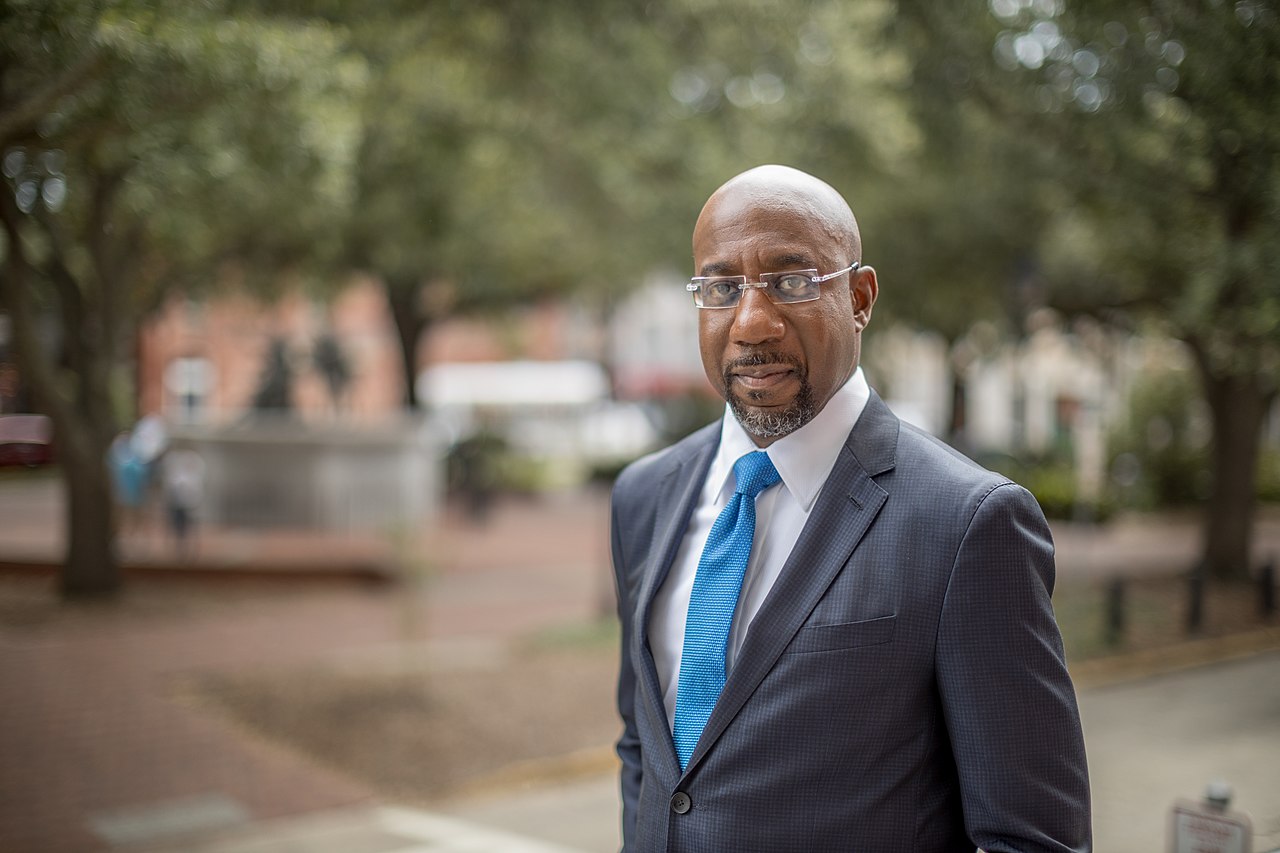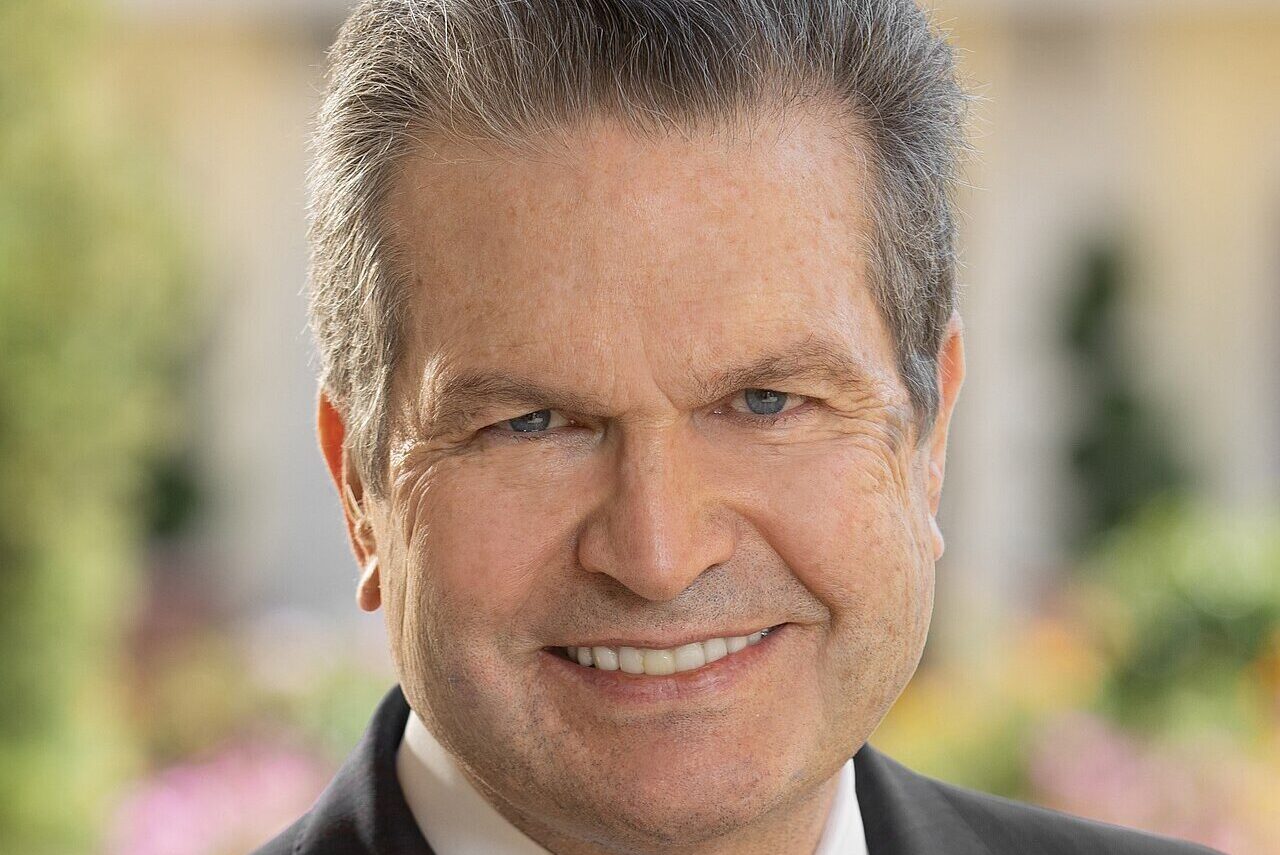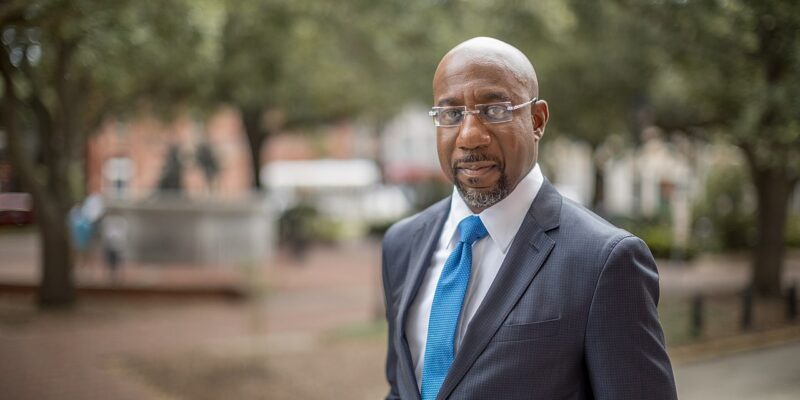

During a recent Senate Banking Committee hearing, Senator Raphael Warnock (D-GA) pressed Kevin Warsh, President Trump’s nominee to serve as Chair of the Federal Reserve Board, on his assessment of the state of the American economy during the second Trump administration.
The Senator attempted to draw a concrete stance on the economy from Nominee Kevin Warsh, but failed to receive an adequate answer.
Sen. Warnock asked, “You currently serve as a lecturer at Stanford University. If you were to assign—if Professor Warsh were to assign a letter grade to the American economy today for the average working family—what grade would you assign?”
Warsh responded, “Senator, it was good to meet with you in your office. You know, in modern academic institutions, they give everybody A’s. So, it’s not a fair comparison, especially at elite universities.”
Unsatisfied with this response, the Georgia Senator tried again, stating, “But I’m hard pressed to think that folks across the state of Georgia who are looking at their grocery bill, looking at their gas bill, looking at the $1,000 that they’ve had to pay, would give the economy an A plus-plus. What are your thoughts?”
Warsh responded by stating that if the Federal Reserve were to execute a series of policy reforms, the economy could rebound. He didn’t specify on these reforms, but assured that issues like inflation could be curtailed.
Apparently, Trump’s nominee to the Fed thinks this is all a big joke.
Well I've got news for him: It's not a joke. People are struggling. pic.twitter.com/BqJvTsvSpl
— Senator Reverend Raphael Warnock (@SenatorWarnock) April 21, 2026
Further Context
Under President Trump, the American economy has failed to rebound in the way he expected. For example, in the 18 months since his return to office, the country has lost nearly 100,000 manufacturing jobs.
Questions about the Federal Reserve’s independence have also dominated discourse surrounding the central bank during President Trump’s second term.
During his testimony, Warsh assured Sen. Warnock that he would maintain the Federal Reserve’s independence from political interference and intimidation.
The President has lobbed attacks and threatened to prosecute current Fed Chair Jerome Powell to try to require the Federal Reserve to slash interest rates. In recent months, Powell was actually probed by the Department of Justice (DOJ) after refusing to submit to the President’s demands.