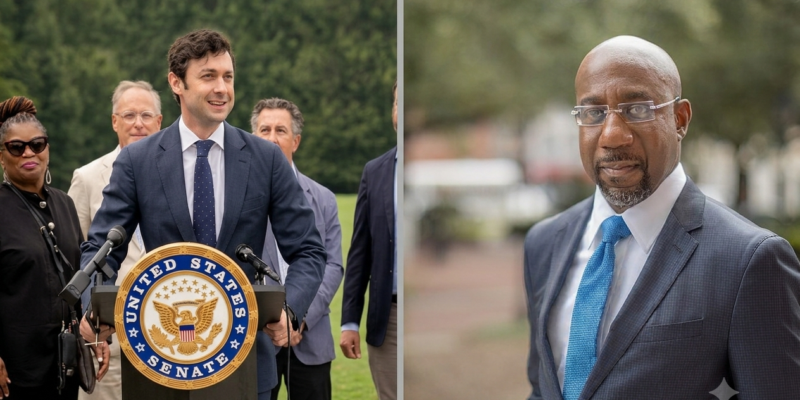

Senators Raphael Warnock (D-GA) and Jon Ossoff (D-GA) are demanding that U.S. Department of Homeland Security Secretary Markwayne Mullin and Inspector General Joseph V. Cuffari conduct a full, unannounced inspection of the Folkston ICE Processing Center because of concerns about conditions at the facility.
What are these concerns based on? Reports from local advocates have raised concerns regarding possible medical neglect and retaliation by custodial officers following a mass hunger strike that began at Folkston on October 6, 2026.
Advocates say around 500 detainees are participating in the hunger strike, which began over poor facility conditions.
At least 13 of those participating in the strike have allegedly faced retaliation and have been placed in solitary confinement. If true, using restrictive housing to penalize individuals for reporting poor conditions would constitute retaliation and an abuse of disciplinary authority.
What Senators Raphael Warnock and Jon Ossoff had to say in the letter:
- “We request that the Department of Homeland Security (DHS) investigate conditions at the Folkston ICE Processing Center (Folkston) in Folkston, Georgia, operated by GEO Group, Inc., and provide our offices with a briefing no later than November 3, 2026.
- “We are troubled by reports of medical neglect and retaliation by custodial officers in response to the mass hunger strike that began at Folkston on October 6, 2026, and urge DHS to conduct an immediate investigation to ensure the facility is complying with applicable federal detention standards.
- “We are extremely concerned that Folkston has not addressed longstanding issues within the facility despite an increasing detainee population. It is also unclear whether medical and custodial staffing has kept pace with Folkston’s expansion.”
Further Context: Both senators’ offices have previously raised concerns about Folkston’s long history of failing to comply with federal detention standards, and have repeatedly brought these concerns to the attention of DHS leadership.
Detainees have raised concerns about medical neglect, frequent lockdowns, inadequate food, poor hygiene, aging infrastructure, limited time outdoors, and limited communication with family members and legal counsel. Some of those involved in the hunger strike have been moved to other facilities, while others have been deported.