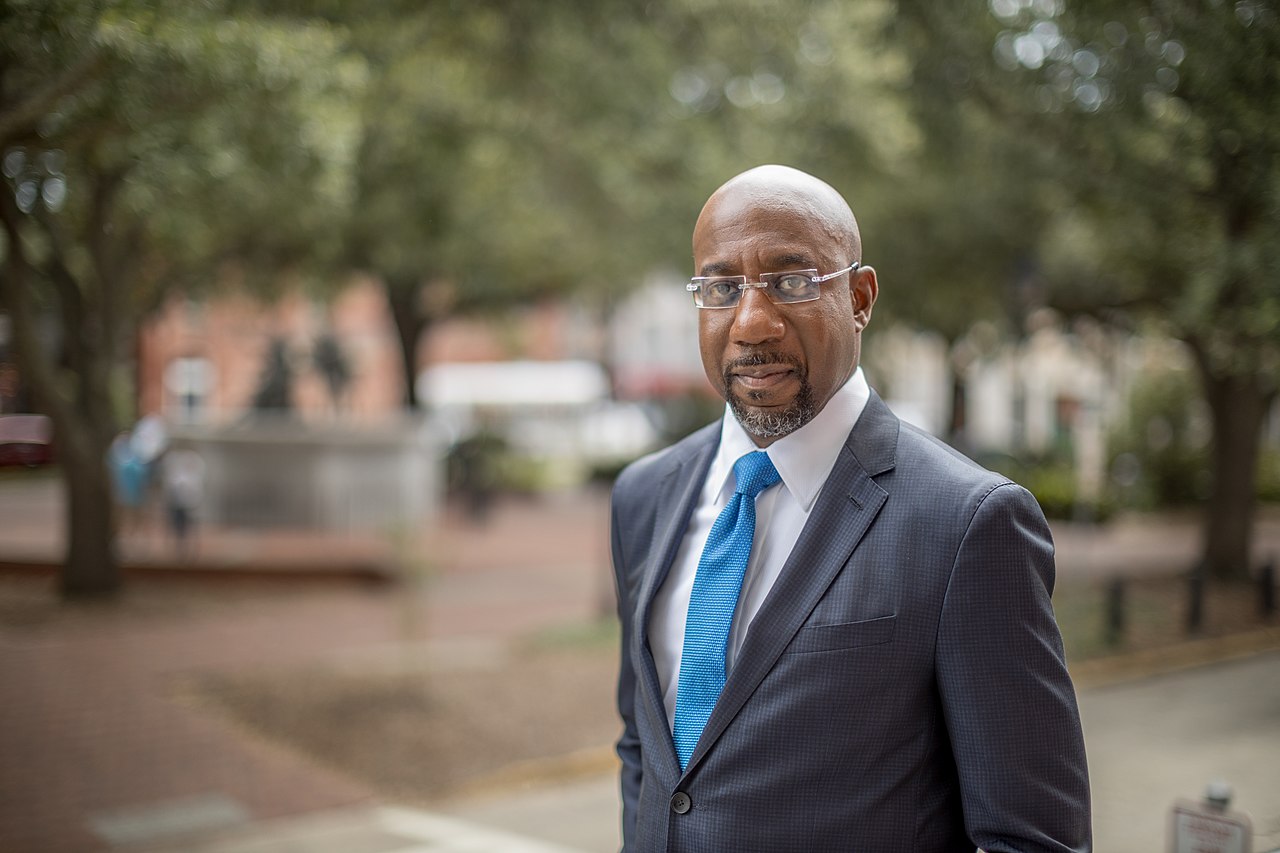
Representative Nikema Williams (R-GA) is leading 12 members of the House in reintroducing the Equal Pay for Equal Work Act, which is set to reestablish the National Equal Pay Enforcement Task Force.
When was this bill first introduced, and does it succeed the Equal Pay Act of 1963? Rep. Williams first introduced this bill during the 118th Congressional session on August 27th, 2024. It was then referred to the House Committee on Education and the Workforce and the Committee on Oversight and Accountability. It never made it to the floor for a vote.
The bill is not meant to be a direct successor to the Equal Pay Act of 1963, but it does try to build on its legacy. It does that by codifying the establishment of an inter-agency task force dedicated to enforcing pay equity laws.
The bill is quite short, but does more than enough to establish this new task force by bringing together agencies like the Department of Justice and the Department of Labor.
What Rep. Nikema Williams had to say:
- “Pay discrimination has been illegal for more than 60 years, yet too many women, especially Black women, are still fighting to be paid equally for the work they do. Black women working full-time, year-round earn just 65 cents for every dollar paid to their white male counterparts. That gap means less money for families, less opportunity to build generational wealth, and less economic security for working people across our state.
- “The Equal Pay for Equal Work Act is about making sure the laws already on the books actually work — and that workers have a government willing to enforce them. Equal pay for equal work should not be a promise we keep pushing into the future. It should be the standard today.”
Who is cosponsoring this bill? The Equal Pay for Equal Work Act is co-sponsored by Representatives Frederica Wilson (D-FL), Donald Beyer (D-VA), James McGovern (D-MA), Hank Johnson Jr. (D-GA), André Carson (D-IN), Suzan DelBene (D-WA), Suzanne Bonamici (D-OR), Judy Chu (D-CA), Shontel Brown (D-OH), Ilhan Omar (E-MN), and Jan Schakowsky (D-IL).