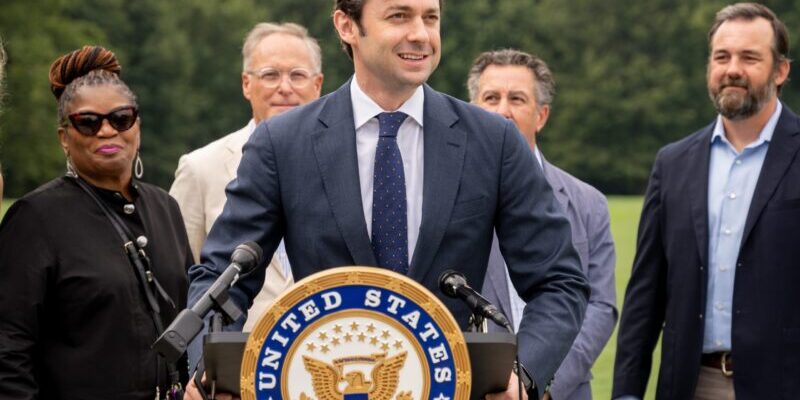

Senator Jon Ossoff (D-GA) is cosponsoring the Strengthening Collective Resources for Encouraging Education Needed (SCREEN) for Type I Diabetes Act of 2026 to establish a Type 1 Diabetes public awareness campaign and urge people to get screened.
Who introduced this bill and what does it specifically do? The bipartisan legislation was first introduced by Senators Jeanne Shaheen (D-NH) and Susan Collins (R-ME).
Its primary objective is to direct the Centers for Disease Control and Prevention (CDC) to carry out a national campaign to increase awareness and knowledge of Type 1 diabetes detection, screening, and management.
What key figures had to say:
- Sen. Jon Ossoff: “Too many Georgians suffering from Type 1 Diabetes face life-threatening complications because the disease is caught too late. I’m working with Republicans and Democrats to raise awareness, strengthen early detection, and ensure better health outcomes for families across our State.”
- Sen. Jeanne Shaheen: “Because the majority of Type 1 diabetics have no family history, many Americans don’t know they have Type 1 until they need emergency care. That creates serious health risks for children and families that could be prevented by earlier detection and treatment. By raising awareness about the signs and symptoms at a young age, we can better detect, diagnose, and treat this life-threatening disease.”
- Sen. Susan Collins: “Early detection of Type 1 diabetes can prevent life-threatening conditions like diabetic ketoacidosis and potentially allow for the use of therapeutics to delay the clinical onset of the condition, helping to improve patients' quality of life and reduce their reliance on insulin.”
Further Context: Alongside the public awareness campaign, the CDC would be required to consult with the National Academy of Medicine, health care provider associations, community health worker associations, nonprofits, health departments, schools and universities.
By doing this, the CDC would be able to solicit advice on what kinds of evidence-based information to use in the campaign.
Following this process, the CDC would be required to award grants to one or more nonprofit entities with histories of similar public awareness campaigns.