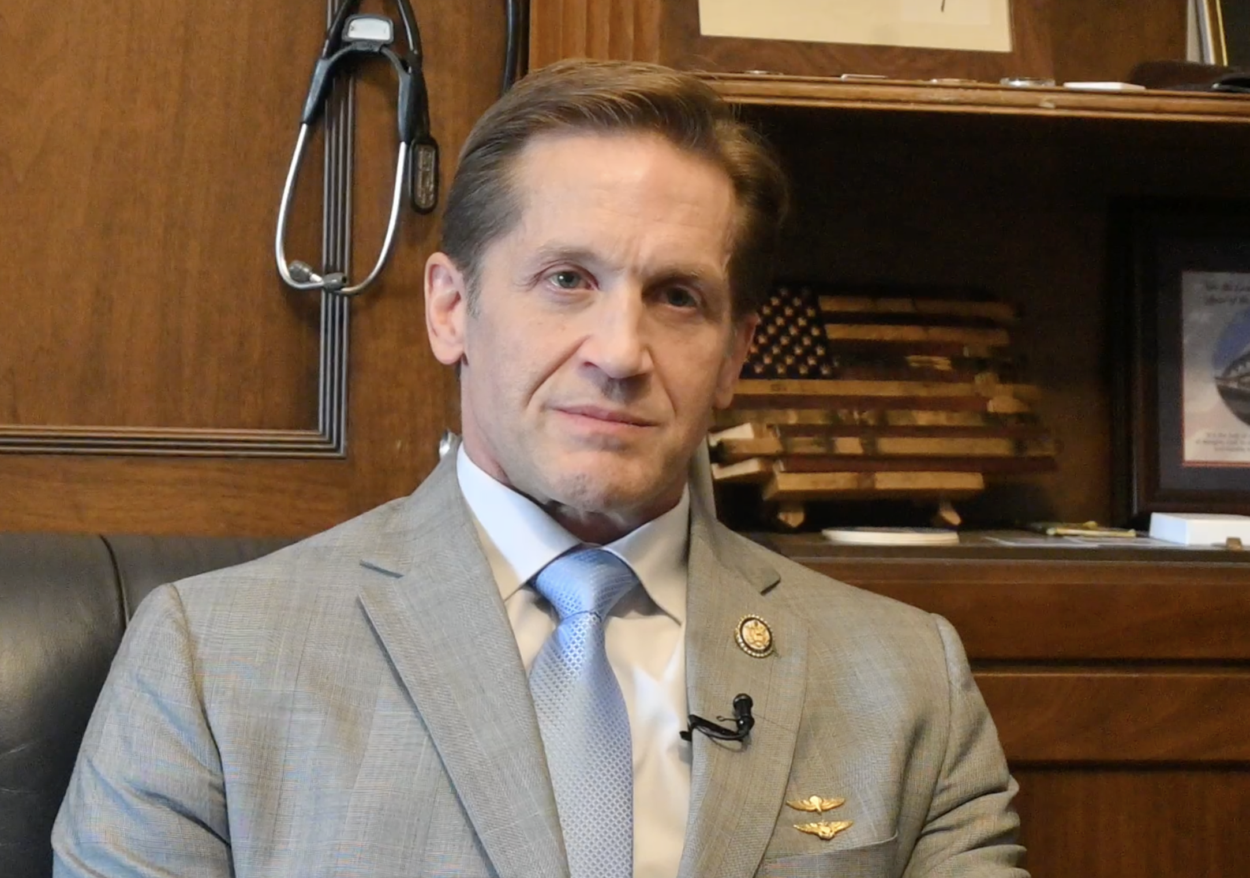

Senator Jon Ossoff (D-GA) is cosponsoring the bipartisan Clean Water Allotment Modernization Act of 2026 to help Georgia communities receive more support to address wastewater and stormwater infrastructure needs.
What does the Clean Water Allotment Modernization Act do specifically? The bipartisan legislation, first introduced by Senators Rick Scott (R-FL) and Mark Kelly (D-AZ), would replace the outdated funding formula for the Environmental Protection Agency’s Clean Water State Revolving Fund (CWSRF) program.
This program determines how much Federal funding for wastewater and stormwater infrastructure is distributed to different states. The bill would replace the current formula with something that better reflects states’ population and infrastructure demands.
What key figures had to say:
- Sen. Jon Ossoff: “Investing in Georgia’s sewer and stormwater infrastructure means protecting our families, homes, and communities. I am working across the aisle to help upgrade Georgia’s water infrastructure to keep communities safe and upgrade quality of life.”
- Sen. Mark Kelly: “Arizona has grown dramatically, but the allocation system for federal water infrastructure funding hasn’t been updated. Our bipartisan bill fixes this so Arizona gets the resources it needs for a secure water future.”
- Sen. Rick Scott: “It’s time to bring the CWSRF into the 21st century. Through the Clean Water Allotment Act, Florida, along with 30 other states, will start receiving the proper funds that reflect our modern population sizes, areas of need, and economically constrained areas. This will help maintain our clean water infrastructure while protecting our beautiful natural lakes, rivers, and wetlands.”
Further Context: The Clean Water State Revolving Fund, established in 1987, provides low-interest loans for water quality infrastructure projects.
As loans are repaid, funds are recycled to support new projects, but the formula used to allot funds to each state has never been updated.
Based on analysis from the Government Accountability Office, the modernized formula would result in 31 states receiving the same or higher allotment.
The new formula proposed by this bill would distribute funds based on documented infrastructure needs (60%), state population from the most recent census (20%), and share of population at or below 200% of the federal poverty level (20%).