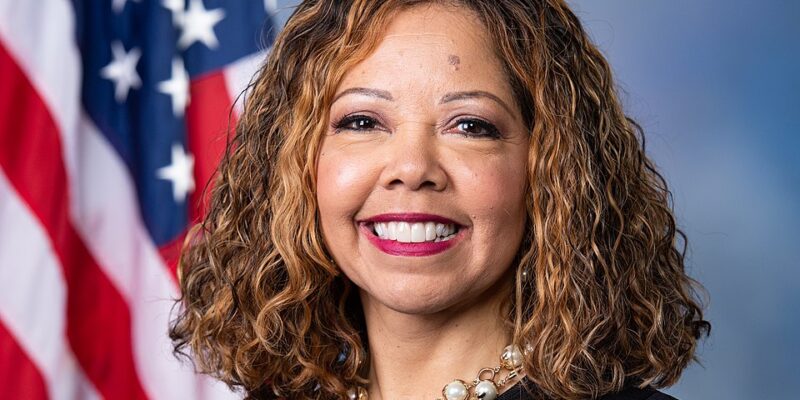

Representative Lucy McBath (D-GA) is leading the House introduction of the bipartisan, bicameral Reading Excellence and Achievement for Development (READ) Act, legislation that will address America’s literacy crisis through evidence-based reading instruction grounded in the Science of Reading.
What will this legislation do specifically? The READ Act will first support state implementation of evidence-based reading practices by providing formula grants to the lowest-performing states.
It then expands early screening, intervention, and parental notification for students at risk of reading difficulties. These efforts will also improve literacy research, teacher preparation, and professional development.
What lawmakers are saying:
- Rep. Lucy McBath: “One of my most treasured memories as a mother was instilling a love of reading in my son Jordan. Tragically, far too many young people in America are graduating high school without basic literacy skills. The READ Act will affirm our country’s commitment to ensuring that all students can develop the skills needed for success beyond high school. I thank my colleagues for their collaboration on this essential bipartisan legislation.”
- Senator Mark Kelly (D-AZ): “I am the product of a good public education, and every kid deserves that. If we want our kids to get ahead, we need to invest in the teachers, parents, and schools helping them get there. This bill is a step towards every kid having an opportunity to succeed, whether they want to join the military, go into public service, or just build a good life.”
Further Context: Companion legislation in the Senate is led by Senate Health, Education, Labor, and Pensions Committee Chairman Bill Cassidy (R-LA) and by Senators Maggie Hassan (D-NH), John Hickenlooper (D-CO), Jim Banks (R-IN), Tim Scott (R-SC), and Mark Kelly.
The legislation has also been endorsed by several organizations, including the National Parents Union, the American Federation of Teachers, the National Association of Elementary School Principals, the National Association of School Psychologists, the Council of Administrators of Special Education, the National Center for Learning Disabilities, The Arc, Families in Schools, and Educators for Excellence.