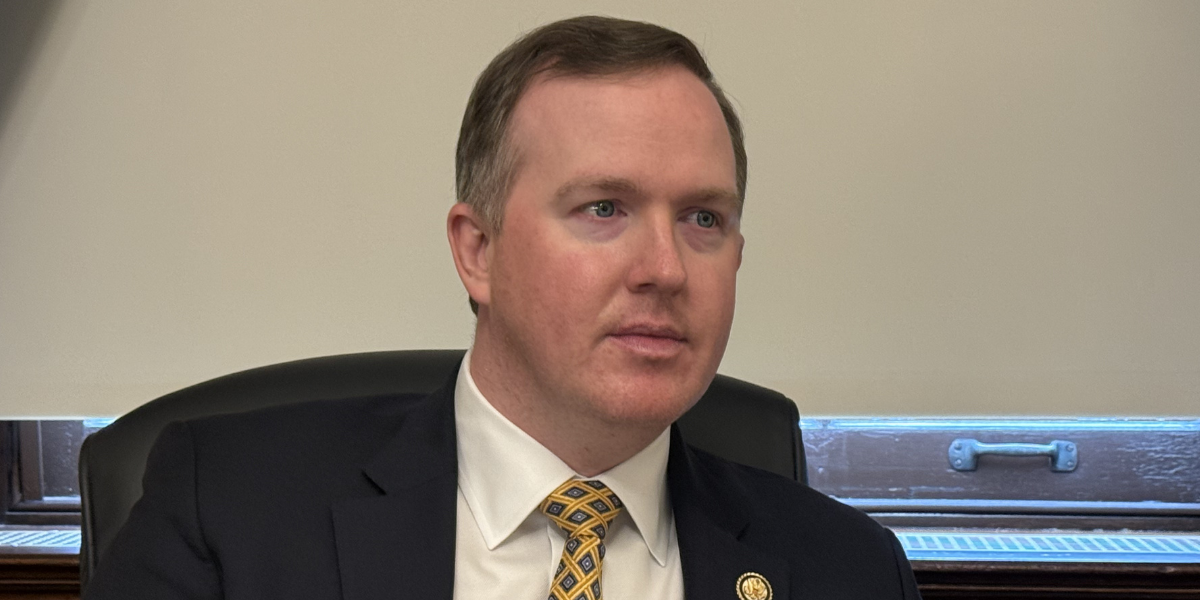

Senator Jon Ossoff (D-GA) is working across the aisle to bolster American manufacturing and economic development by co-sponsoring the Critical Infrastructure Manufacturing Feasibility Act.
Also known as Senate Bill 1872, this bill was introduced by Senators Joni Ernst (R-IA) and Lisa Blunt Rochester (D-DE) and is headed to the House of Representatives after passing in the Senate.
The bill directs the secretary of commerce to conduct a study analyzing the feasibility of manufacturing critical infrastructure in the United States. The study must focus on infrastructure within 16 different sectors, including energy, transportation, healthcare, and information technology.
The study must first identify and analyze critical imported goods. These are products necessary for the construction, maintenance, operation, or restoration of the 16 different sectors.
The study must then demonstrate the costs and benefits of shifting production to the U.S., accounting for job losses, the employment rate, labor conditions, and overall costs.
The feasibility of manufacturing locations must also be determined to see whether rural areas or industrial parks would benefit the most. Finally, the study must identify existing federal policies and regulations that deter domestic manufacturing.
After the study is complete, the bill requires the commerce secretary to submit a report to Congress within 18 months of the bill’s enactment. The report must also be published and accessible to the public.
The only limitation placed on the secretary of commerce is that they cannot compel a person or company to provide information without consent.
Sen. Jon Ossoff clarified that this bill is designed to wean the U.S. off imported infrastructure. He argues that this dependence on foreign supply chains leaves the country vulnerable to cyber attacks and economic manipulation.
“We have become heavily dependent upon overseas supply chains, leaving us vulnerable to increased cybersecurity risks and price fluctuations,” Ossoff said in a statement. “This bipartisan bill will take steps to mitigate those risks, while helping open the door to new manufacturing jobs in Georgia and across the nation.”