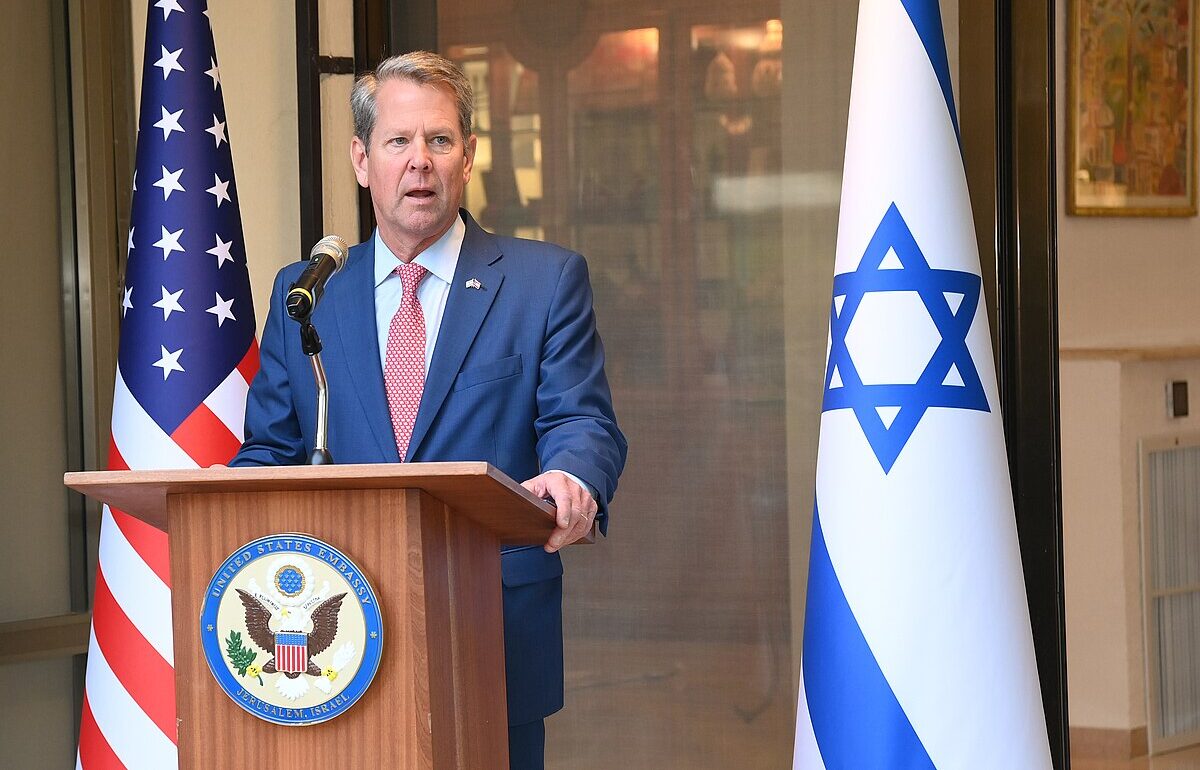

Attorney General Chris Carr recently announced that he has joined a 20-state coalition in sending a formal comment letter to the U.S. Environmental Protection Agency (EPA) and the U.S. Army Corps of Engineers regarding the updated definition of Waters of the United States (WOTUS).
This longstanding WOTUS rule placed undue regulatory burdens on Georgia’s farmers, landowners, and businesses, subjecting land-use activities to costly federal permitting processes.
Context
AG Chris Carr has been working on this issue for years and even secured a preliminary injunction, protecting farmers and landowners from the Biden-era rule. Now, the Trump Administration is looking to roll it back with a new proposal, aiming to restore clarity and predictability to environmental regulations, while maintaining critical protections for our nation’s waterways.
For context, states have always regulated bodies of water within their borders. The Clean Water Act was supposed to respect this. However, under the Biden and Obama administrations, federal agencies sought to unlawfully expand the definition of WOTUS, thereby expanding federal control of waters.
Under these previous expansive definitions of WOTUS, landowners faced permit costs averaging over $250,000 and permit wait times exceeding two years for projects on their own property. Farmers reported needing federal permits for activities like plowing fields or building bridges over dry washes on their land.
This new proposal from the Trump administration will rein in bureaucratic overreach and restore state authority.
The Georgia Attorney General commented on the Biden-era rule, criticizing it as a form of gross overreach. He also expressed gratitude for being able to fight back and secure state sovereignty.
“Now, we’re taking action in support of commonsense proposals that will cut the bureaucratic overreach and allow our farmers and landowners to thrive,” Carr stated. “States should be in control of their own waters, and we’re committed to protecting that right and Georgia’s No. 1 industry.”